





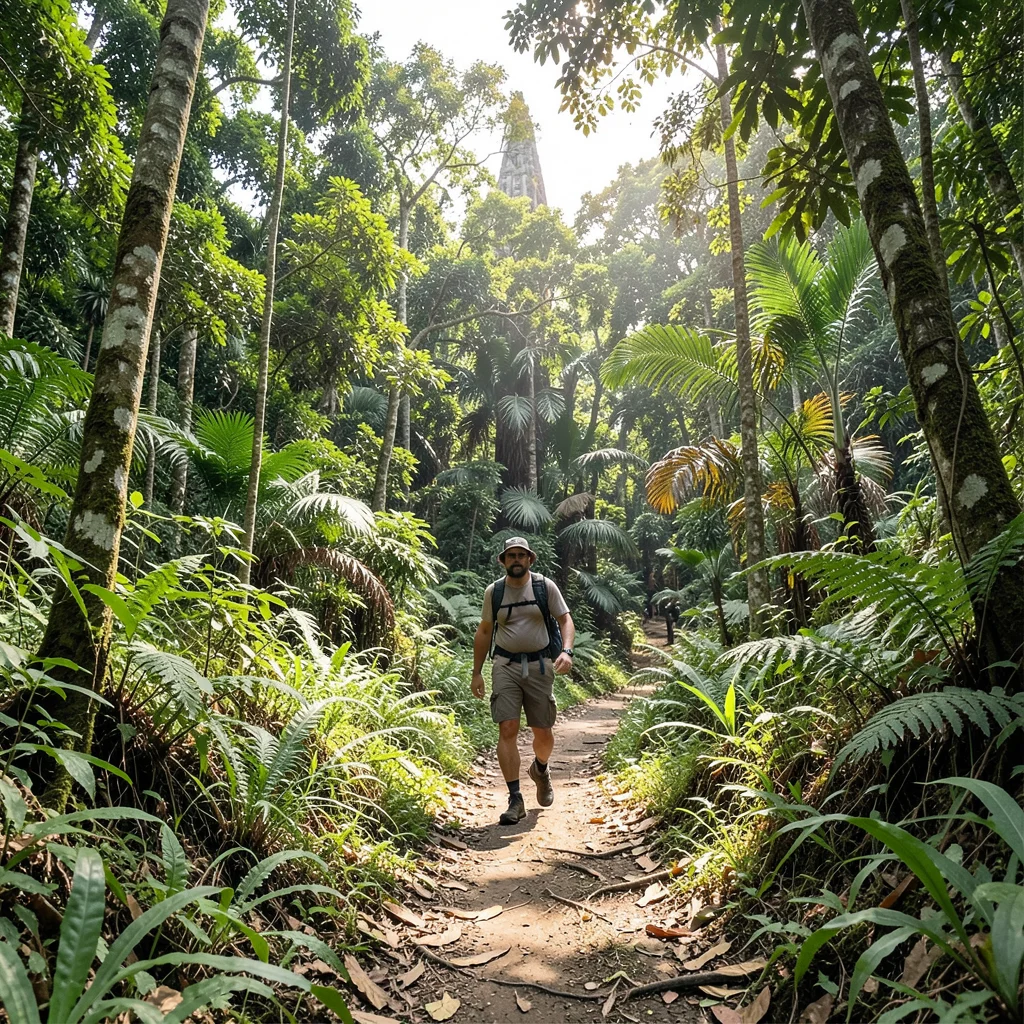
Exploring Yogyakarta’s Natural Wonders: Your Guide to Nearby National Parks
- Exploring Yogyakarta’s Natural Wonders: Your Guide to Nearby National Parks
Yogyakarta’s Natural Wonders: Yogyakarta, often celebrated for its rich cultural heritage and vibrant arts scene, also boasts an incredible array of natural wonders waiting to be explored. Beyond the ancient temples and bustling markets lie breathtaking landscapes, including several national parks that offer a refreshing escape into nature. This guide is designed to help you discover the beauty and adventure that Yogyakarta’s nearby national parks have to offer, making your journey both enriching and unforgettable.
Planning a trip to explore Yogyakarta’s natural wonders requires a bit of foresight. Understanding what each park offers, how to get there, and what to expect will enhance your experience. From volcanic terrains to lush rainforests, these protected areas showcase the diverse biodiversity and geological marvels of the region. Let’s delve into the must-visit national parks that surround this cultural heartland of Java.
Yogyakarta’s Natural Wonders: Mount Merapi National Park: The Majestic Volcano
Mount Merapi, one of Indonesia’s most active volcanoes, is the centerpiece of Mount Merapi National Park. Its imposing presence dominates the northern skyline of Yogyakarta. While climbing to the summit is an option for experienced trekkers, guided tours offer a safer and equally awe-inspiring experience. These tours often include visits to lava fields, hot springs, and villages that have been shaped by the volcano’s power.
Attractions within the park include the Kaliurang recreational area, offering cooler air and scenic views, and the Museum Gunung Api Merapi (Merapi Volcano Museum), which provides crucial information about the volcano’s history and activity. Jeep tours are a popular way to navigate the rugged terrain, taking visitors to vantage points and sites of past eruptions. The park is also home to diverse flora and fauna, though its volcanic nature means the landscape is often stark and dramatic.
Activities and Considerations at Merapi
Activities range from geological tours and volcano trekking to bird watching and enjoying the natural scenery. It’s crucial to check the volcano’s alert status before planning a visit, as access may be restricted during periods of increased activity. Always go with a registered guide and wear appropriate clothing and footwear. The unpredictability of Mount Merapi is part of its allure, but safety must always be the top priority.
Merbabu National Park: A Hiker’s Paradise
For those seeking a more challenging hiking experience amidst stunning natural beauty, Mount Merbabu National Park is an excellent choice. Located to the west of Merapi, Merbabu offers well-defined trails leading to its twin peaks, Kenteng Songo and Syarif. The climb is rewarded with panoramic views of the surrounding landscape, including Mount Merapi, Mount Lawu, and even the distant coast on clear days.
The trails wind through pine forests and savannas, offering a different ecological experience compared to Merapi. Various routes are available, with the Selo and Cuntel tracks being the most popular. Camping is permitted in designated areas, allowing hikers to fully immerse themselves in the mountain’s tranquility. The cooler climate and fresh air make it an ideal destination for nature lovers and adventure seekers.
Preparation for Merbabu Hikes
Proper preparation is key for hiking Mount Merbabu. Ensure you have adequate water, food, warm clothing, and a reliable tent if planning an overnight stay. A good pair of hiking boots is essential. It’s advisable to register at the park entrance and inform someone of your hiking plans. The park’s natural beauty is best appreciated when you are well-prepared and respectful of the environment.
Karimunjawa National Park: Underwater Treasures
While not directly adjacent to Yogyakarta, Karimunjawa National Park is an accessible and highly recommended natural wonder for those willing to travel a bit further. This marine national park, located in the Java Sea, is an archipelago of 27 islands renowned for its crystal-clear waters, vibrant coral reefs, and diverse marine life. It’s a paradise for snorkeling, diving, and beach lovers.
The park offers numerous opportunities to explore underwater ecosystems. Popular activities include boat trips to different islands, snorkeling among colorful corals and fish, diving to discover shipwrecks, and relaxing on pristine white-sand beaches. Some islands are developed for tourism, while others remain untouched, providing a sense of secluded paradise. Mangrove forests also form a significant part of the ecosystem, contributing to coastal protection and serving as nurseries for marine species.
Getting to Karimunjawa and What to Expect
Access to Karimunjawa is typically via Jepara or Semarang by ferry or fast boat. Flights to nearby airports are also an option, followed by a boat transfer. It’s important to check ferry schedules in advance, as they can be affected by weather conditions. Accommodation ranges from simple guesthouses to more upscale resorts. Respecting the marine environment is paramount; avoid touching corals and minimize waste.
Planning Your Visit: A Comparison
Choosing the right national park depends on your interests and desired level of adventure. Here’s a quick comparison to help you decide:
| Feature | Mount Merapi National Park | Mount Merbabu National Park | Karimunjawa National Park |
|---|---|---|---|
| Primary Appeal | Active volcano, geological wonders, jeep tours | Hiking, panoramic views, savanna landscapes | Marine life, coral reefs, beaches, diving, snorkeling |
| Activity Level | Moderate to High (depending on tour/climb) | High (hiking) | Moderate to High (water activities) |
| Accessibility from Yogyakarta | Easy (approx. 1-1.5 hours) | Moderate (approx. 1.5-2 hours to start points) | Requires additional travel (ferry/flight + boat) |
| Best For | Adventure seekers, geology enthusiasts, those interested in active volcanoes | Experienced hikers, nature photographers, trekkers | Snorkelers, divers, beach lovers, marine life enthusiasts |
| Key Attractions | Volcano slopes, lava fields, Kaliurang, museum | Twin peaks, pine forests, savanna vistas | Coral reefs, diverse fish species, island hopping, mangrove forests |
Essential Checklist for Your Nature Excursion
To ensure a smooth and enjoyable experience exploring Yogyakarta’s natural wonders, here’s a checklist:
- Identification: Carry a valid ID.
- Appropriate Clothing: Pack layers, rain gear, and comfortable walking/hiking shoes. For Karimunjawa, bring swimwear and quick-dry clothing.
- Sun Protection: Sunscreen, hat, and sunglasses are essential, especially for marine parks and volcano slopes.
- Hydration & Snacks: Carry plenty of water and energy-boosting snacks.
- First-Aid Kit: Include basic medical supplies for minor injuries.
- Camera: To capture the stunning scenery and wildlife.
- Cash: For entrance fees, local transport, and small purchases. ATMs may be scarce in remote areas.
- Respect Local Customs: Be mindful of local traditions and environmental guidelines.
- Guides: For volcano hikes and complex areas, hiring a local guide is recommended for safety and insight.
Conclusion
Yogyakarta is far more than just a cultural hub; it is a gateway to remarkable natural landscapes. Whether you are drawn to the raw power of an active volcano like Merapi, the serene beauty of Mount Merbabu’s trails, or the vibrant underwater world of Karimunjawa, these national parks offer diverse experiences for every traveler. By planning wisely and preparing adequately, you can embark on an unforgettable journey to explore Yogyakarta’s natural wonders, creating memories that will last a lifetime.
Frequently Asked Questions (FAQ)
Q1: What is the best time of year to visit Yogyakarta’s national parks?
A1: The dry season, typically from May to September, is generally the best time to visit for clearer skies and more stable weather, especially for hiking and marine activities.
Q2: Are national parks near Yogyakarta safe for solo travelers?
A2: While many areas are generally safe, it’s always recommended to exercise caution, especially when hiking. Hiring local guides, informing someone of your plans, and staying aware of your surroundings are key for solo travelers.
Q3: Can I visit these parks independently without a tour?
A3: For Mount Merapi and Merbabu, guided tours or hiring local guides are highly recommended, particularly for trekking, due to safety and volcanic activity monitoring. Karimunjawa can be explored independently once you reach the islands, but boat tours for island hopping are common and advisable.
Q4: What should I do if Mount Merapi’s alert level is high?
A4: If the alert level is high, access to certain areas, especially the summit and surrounding slopes, will be restricted. Always follow the guidance of local authorities and park rangers. Alternative activities in safer zones or other parks can be considered.
References
Taman Nasional Bromo Tengger Semeru (Official Information)
Taman Nasional Baluran (Official Information)
