




Chanthaburi: Your Eco-Conscious Escape to Crowd-Free Hidden Gems
- Chanthaburi: Your Eco-Conscious Escape to Crowd-Free Hidden Gems
- Chanthaburi hidden gems: Embracing Sustainable Chanthaburi
- Unveiling the Natural Wonders
- Cultural Immersion and Local Flavors
- Responsible Accommodation Choices
- Eco-Adventure Itinerary Ideas
- Comparison: Chanthaburi vs. Popular Thai Destinations
- Checklist for the Eco-Conscious Traveler in Chanthaburi
- Frequently Asked Questions (FAQ)
- Conclusion
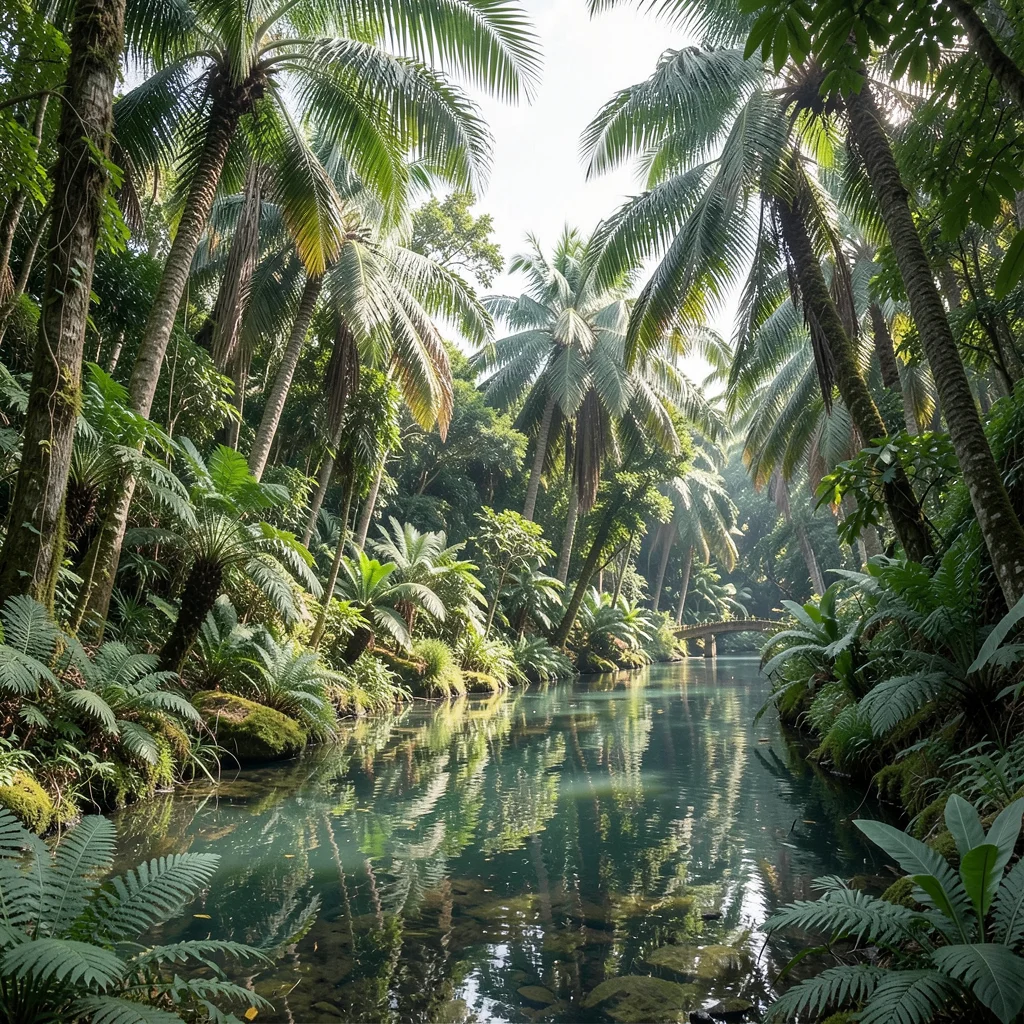
Chanthaburi hidden gems: Chanthaburi, a province often overlooked in favor of its more bustling neighbors, offers a refreshing antidote for the modern traveler seeking an eco-conscious escape. Far from the madding crowds, this eastern Thai gem is a tapestry of verdant landscapes, pristine coastlines, and a deep-rooted commitment to sustainable tourism. If you’re yearning for authentic experiences, serene natural beauty, and a chance to connect with local culture without the usual tourist throngs, Chanthaburi’s hidden gems await. This guide will unveil the best ways to experience Chanthaburi as an eco-conscious traveler, focusing on its less-trodden paths and sustainable practices.
The allure of Chanthaburi lies in its ability to offer a genuine glimpse into Thai life, untouched by mass tourism. Here, you can explore ancient temples, wander through lush fruit orchards, discover secluded waterfalls, and relax on quiet beaches, all while supporting local communities and preserving the natural environment. Our focus is on the Chanthaburi hidden gems that embody this eco-conscious spirit, providing unforgettable memories and a lighter footprint.
Chanthaburi is steadily becoming a model for sustainable tourism in Thailand. Local authorities and communities are actively promoting practices that minimize environmental impact and maximize benefits for residents. This includes encouraging the use of eco-friendly accommodations, supporting local artisans and food producers, and protecting natural resources like mangrove forests and coral reefs. As a visitor, your choices can significantly contribute to these efforts. Opting for homestays, choosing tours that respect wildlife, and reducing plastic waste are simple yet effective ways to travel more responsibly in Chanthaburi.
Unveiling the Natural Wonders
The province is blessed with breathtaking natural landscapes that are perfect for eco-adventures. One of its most significant attractions is the Khao Khitchakut National Park, a sacred mountain renowned for its lush rainforests and the ancient Buddha footprint shrine. Hiking trails here lead through diverse flora and fauna, offering stunning vistas and a sense of tranquility. Remember to stick to marked paths and avoid disturbing wildlife to maintain the park’s delicate ecosystem.
For coastal beauty without the crowds, head to the southern part of the province. Beaches like Laem Sadet and Ao Khung Kraben offer serene stretches of sand backed by casuarina trees. Ao Khung Kraben is also home to a vital mangrove research center where visitors can learn about the importance of these coastal ecosystems and even take a boardwalk tour through the mangroves, a fantastic way to appreciate biodiversity and understand conservation efforts. These areas are perfect for quiet contemplation, birdwatching, and enjoying the gentle sea breeze.
Coastal Charms and Mangrove Marvels
The coastline of Chanthaburi is a treasure trove of hidden bays and quiet fishing villages. Unlike the packed beaches elsewhere, here you can find stretches of sand where your footprints might be the only ones. Tha Mai District offers access to some of these secluded spots, ideal for a peaceful day of sunbathing, swimming, or simply enjoying the unspoiled nature. The local communities often rely on responsible fishing practices, and experiencing a fresh seafood meal at a local eatery is a must-do.
Cultural Immersion and Local Flavors
Chanthaburi’s cultural heritage is as rich as its natural beauty. The provincial capital, also named Chanthaburi, is famous for its gem market, where you can witness the trade of sapphires and other precious stones. However, beyond the sparkle, the city boasts historic wooden houses along the Chanthaburi River, reminiscent of a bygone era. A stroll through this old town offers a glimpse into the lives of the Chinese-Thai community that has shaped the region for generations.
The province is also known as Thailand’s fruit basket. During the fruit season (typically April to June), the air is thick with the aroma of durian, rambutan, mangosteen, and longan. Visiting local fruit orchards, many of which practice sustainable farming, offers a delightful and flavorful experience. You can often arrange tours to sample the freshest fruits straight from the trees, supporting the livelihoods of local farmers. These agricultural tours are perfect examples of how tourism can directly benefit local economies and promote responsible land use.
A Taste of Chanthaburi
Food is an integral part of the Chanthaburi experience. Beyond the famed fruits, the province offers unique local dishes. Don’t miss ‘Khao Pad Chanthaburi’, a flavorful fried rice variation, or fresh seafood prepared with local herbs. Exploring local markets provides an authentic culinary adventure. When dining, look for establishments that source local ingredients, further contributing to the sustainable economy.
Responsible Accommodation Choices
Choosing where you stay can significantly impact your eco-conscious travel footprint. Chanthaburi offers a range of accommodations, from charming riverside guesthouses and boutique hotels to eco-lodges and homestays. Many of these establishments are committed to sustainability, employing practices such as water conservation, waste reduction, and the use of renewable energy. Prioritizing these options not only supports environmentally responsible businesses but also often provides a more authentic and intimate travel experience.
Consider staying in places that actively engage with the local community, perhaps offering opportunities to learn about local crafts or participate in conservation initiatives. Homestays, in particular, offer a unique chance to immerse yourself in the local culture and directly support families. Always inquire about their sustainability practices and choose those that align with your eco-conscious values.
Eco-Adventure Itinerary Ideas
To make the most of your eco-conscious escape, planning an itinerary that balances nature, culture, and relaxation is key. Here’s a sample itinerary focusing on Chanthaburi’s hidden gems:
- Day 1: Arrival & Coastal Serenity Arrive in Chanthaburi, check into your eco-friendly accommodation. Spend the afternoon relaxing at Laem Sadet Beach, followed by a fresh seafood dinner.
- Day 2: Nature & Mangroves Morning visit to Ao Khung Kraben Mangrove Research Center for a boardwalk tour. Afternoon exploration of Khao Khitchakut National Park for a moderate hike.
- Day 3: Fruits & Culture Visit a local fruit orchard (seasonal) for tasting and learning about sustainable farming. Explore the historic old town and gem market in Chanthaburi city.
- Day 4: Secluded Beaches & Departure Enjoy a final quiet morning at a less-known beach like Ao Yang or Ao Khai before departing.
This itinerary can be customized based on your interests and the time of year. The focus remains on experiencing the province’s natural beauty and cultural heritage responsibly.
Comparison: Chanthaburi vs. Popular Thai Destinations
For travelers seeking an eco-conscious experience away from crowds, Chanthaburi offers distinct advantages over more popular Thai destinations.
| Feature | Chanthaburi | Popular Destinations (e.g., Phuket, Koh Samui) |
|---|---|---|
| Crowd Levels | Low, especially outside main towns | High, particularly during peak season |
| Eco-Consciousness Focus | Growing, with community initiatives | Varies, often commercialized eco-tours |
| Authentic Culture | High, less commercialized interactions | Lower, more tourist-oriented experiences |
| Natural Beauty | Pristine beaches, lush forests, mangroves | Beautiful, but often impacted by development |
| Pace of Travel | Relaxed and serene | Fast-paced, bustling |
| Accommodation Options | Eco-lodges, homestays, quiet resorts | Large resorts, hostels, varied options |
| Cost | Generally more affordable | Can be more expensive, especially for prime locations |
Checklist for the Eco-Conscious Traveler in Chanthaburi
Before you embark on your journey to Chanthaburi, ensure you’re prepared for a responsible and enjoyable trip. Here’s a checklist to help you:
- Reusable Water Bottle: Stay hydrated and avoid single-use plastics.
- Eco-friendly Toiletries: Biodegradable soaps and shampoos are best.
- Reef-Safe Sunscreen: If you plan on swimming, protect marine life.
- Lightweight, Breathable Clothing: Suitable for the tropical climate.
- Comfortable Walking Shoes: For exploring national parks and towns.
- Insect Repellent: Natural options are preferred.
- Small Backpack: For day trips and carrying essentials.
- Camera: To capture the beauty responsibly.
- Respectful Attitude: Towards local culture, customs, and the environment.
- Learn Basic Thai Phrases: Enhances interaction with locals.
Frequently Asked Questions (FAQ)
Q1: When is the best time to visit Chanthaburi for an eco-conscious trip?
A1: The cool, dry season from November to February offers pleasant weather for outdoor activities. However, the fruit season from April to June provides a unique agricultural experience. Visiting during the shoulder seasons can also mean fewer crowds.
Q2: How can I find eco-friendly accommodations in Chanthaburi?
A2: Look for certifications from sustainable tourism organizations, check reviews for mentions of eco-practices, or opt for locally-owned guesthouses and homestays that emphasize sustainability.
Q3: What are some unique Chanthaburi hidden gems that are less touristy?
A3: Besides the national parks and beaches mentioned, consider exploring the smaller fishing villages, local temples off the beaten path, and the serene riverside areas in the old town.
Q4: Is Chanthaburi suitable for solo eco-travelers?
A4: Yes, Chanthaburi is generally a safe and welcoming province, making it suitable for solo travelers. The slower pace and focus on nature and local culture offer a peaceful experience.
Q5: What are the primary eco-tourism activities available in Chanthaburi?
A5: Key activities include exploring mangrove forests, hiking in national parks, visiting sustainable fruit farms, bird watching, enjoying quiet beaches, and supporting local communities through responsible tourism.
Conclusion
Chanthaburi stands out as an exceptional destination for travelers prioritizing sustainability and seeking an escape from the ordinary. Its commitment to preserving natural beauty and cultural heritage, combined with its serene atmosphere and fewer crowds, makes it an ideal eco-conscious retreat. By choosing responsible accommodations, engaging respectfully with local communities, and exploring its natural wonders with care, you can experience the true essence of this enchanting province. Discover the Chanthaburi hidden gems and embark on a journey that nourishes both your soul and the planet.
References
For further information on sustainable travel in Thailand and Chanthaburi, consider these resources:
- Tourism Authority of Thailand (TAT)
- Greenview (For insights into sustainable tourism in Asia)
- Local Chanthaburi Tourism Information Centers (Availability may vary)
