


How Much Does a Trip to Chiang Mai Cost? A Complete Budget Breakdown
If you are currently researching your next Southeast Asian adventure, you might be asking yourself: how much does a trip to Chiang Mai cost? The answer is refreshingly flexible. Chiang Mai remains one of the world’s most accessible destinations, catering equally well to shoestring backpackers and those seeking five-star luxury. Unlike more expensive island destinations in the south, Chiang Mai offers exceptional value for money, allowing your budget to stretch significantly further.
In this guide, we break down the costs associated with accommodation, food, transportation, and activities to help you plan your itinerary with confidence.
how much does a trip to Chiang Mai cost: Understanding Your Travel Style
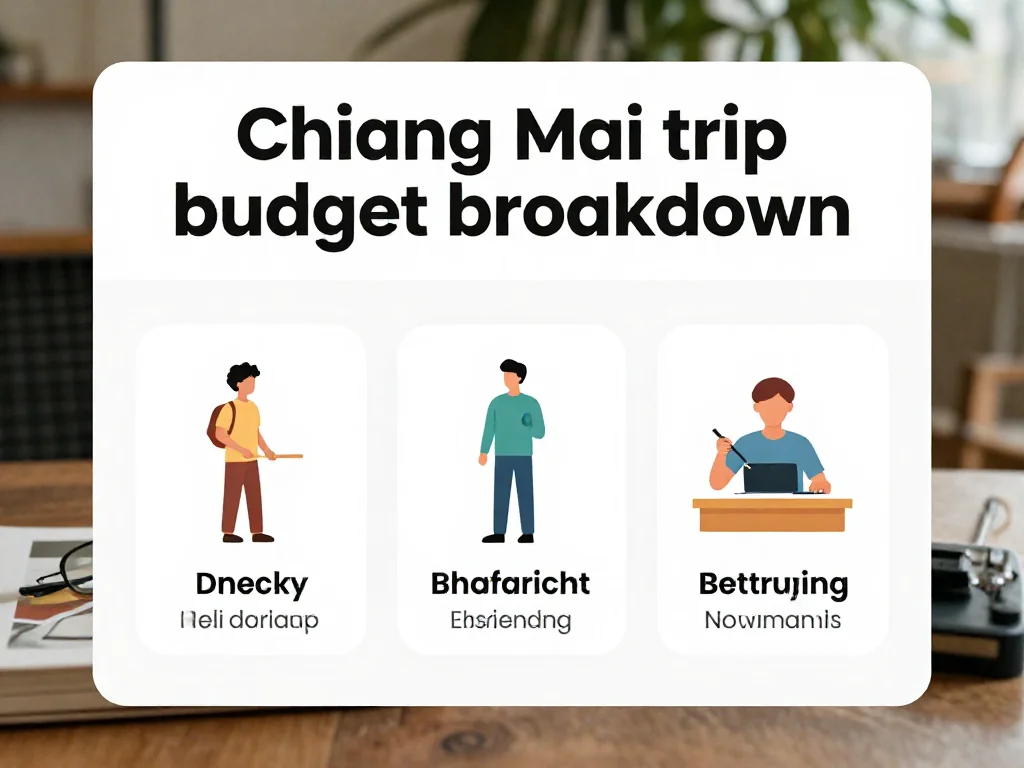
Before diving into the numbers, it is crucial to recognize that your daily spend depends heavily on your comfort preferences. We generally categorize travelers into three tiers: the Budget Backpacker, the Mid-Range Explorer, and the Luxury Traveler.
| Travel Style | Daily Budget (USD) | Typical Experience |
|---|---|---|
| Budget | $25 – $40 | Hostels, street food, local transit (Songthaews) |
| Mid-Range | $50 – $90 | Boutique hotels, mix of cafes and restaurants, occasional Grab rides |
| Luxury | $120+ | Private resorts, fine dining, private tours |
Accommodation Costs
Accommodation is usually the largest expense for any trip, but Chiang Mai offers incredible diversity. Hostels in the Old City or Nimman area can cost as little as $8–$15 per night for a high-quality dorm bed. If you prefer privacy, mid-range boutique guesthouses frequently range from $30 to $50 per night and often include breakfast and a pool. For those seeking luxury, international brand hotels and high-end Lanna-style resorts typically start at $100 per night and can go significantly higher depending on the season.
Seasonal Price Fluctuations
Be aware that prices spike during the high season (November to February) due to cooler, pleasant weather and major festivals like Yi Peng (the lantern festival). Booking in advance during these months is essential to secure reasonable rates.
Food and Dining Expenses
One of the best parts about traveling in Chiang Mai is the food. You can eat like royalty on a modest budget. A bowl of Khao Soi (the region’s famous curry noodle soup) at a local market stall will cost between $1.50 and $2.50. Even at trendy cafes in Nimmanhaemin Road, you can expect to pay around $6–$10 for a hearty brunch with coffee. If you choose fine dining or international cuisine, prices will align more closely with Western standards, but you will still find them cheaper than in major capitals like Bangkok or Singapore.
Transportation Costs
Getting around is relatively affordable, but the method you choose impacts your budget. The iconic red trucks, known as Songthaews, are the cheapest way to get around the city, usually costing about $0.80 to $1.50 per ride. For more convenience, the Grab app (Southeast Asia’s equivalent to Uber) is widely available and very reliable. Renting a scooter is another popular option, typically costing $6–$10 per day, though this carries safety risks and requires a valid international driving permit.
Activities and Sightseeing
Chiang Mai is rich in culture, and many of its best sights are free or very inexpensive. Visiting the numerous temples within the Old City usually costs less than $2, with many being completely free to enter. However, specialized activities such as elephant sanctuaries, cooking classes, or guided trekking tours are significant investments. A reputable, ethical elephant sanctuary visit often costs between $50 and $80 for a half-day experience.
Checklist: How to Save Money in Chiang Mai
- Drink Local: Stick to Thai beer (Chang, Leo, Singha) instead of imported spirits, which are heavily taxed.
- Use Local Markets: Shop at local markets like the North Gate Market or Warorot Market for cheaper produce and food.
- Walk or Rent a Bicycle: The Old City is very compact and easily explored on foot or by bicycle.
- Carry Cash: While cards are accepted in malls and higher-end hotels, street food vendors and small shops operate almost exclusively on cash.
- Download Grab: Use the Grab app to avoid haggling with taxi drivers and to ensure transparent pricing.
Conclusion
Knowing how much does a trip to Chiang Mai cost ultimately depends on your personal travel style, but it is undeniably one of the most budget-friendly destinations in the world. Whether you are living on a shoestring budget or looking for a comfortable holiday, Chiang Mai accommodates all styles without breaking the bank. By balancing your spending between affordable street food and the occasional splurge on tours or accommodation, you can enjoy an incredible northern Thai experience.
Frequently Asked Questions (FAQ)
A: Generally, yes. Accommodation, food, and local transportation in Chiang Mai tend to be slightly cheaper than in Bangkok, making it a favorite for long-term travelers and digital nomads.
A: For a budget to mid-range traveler, carrying 1,000 to 2,000 Thai Baht ($30–$60) per day is usually sufficient to cover food, transport, and small entry fees.
A: Tipping is not mandatory in Thailand, but it is appreciated. Leaving small change at restaurants or tipping tour guides for excellent service is common practice.
