

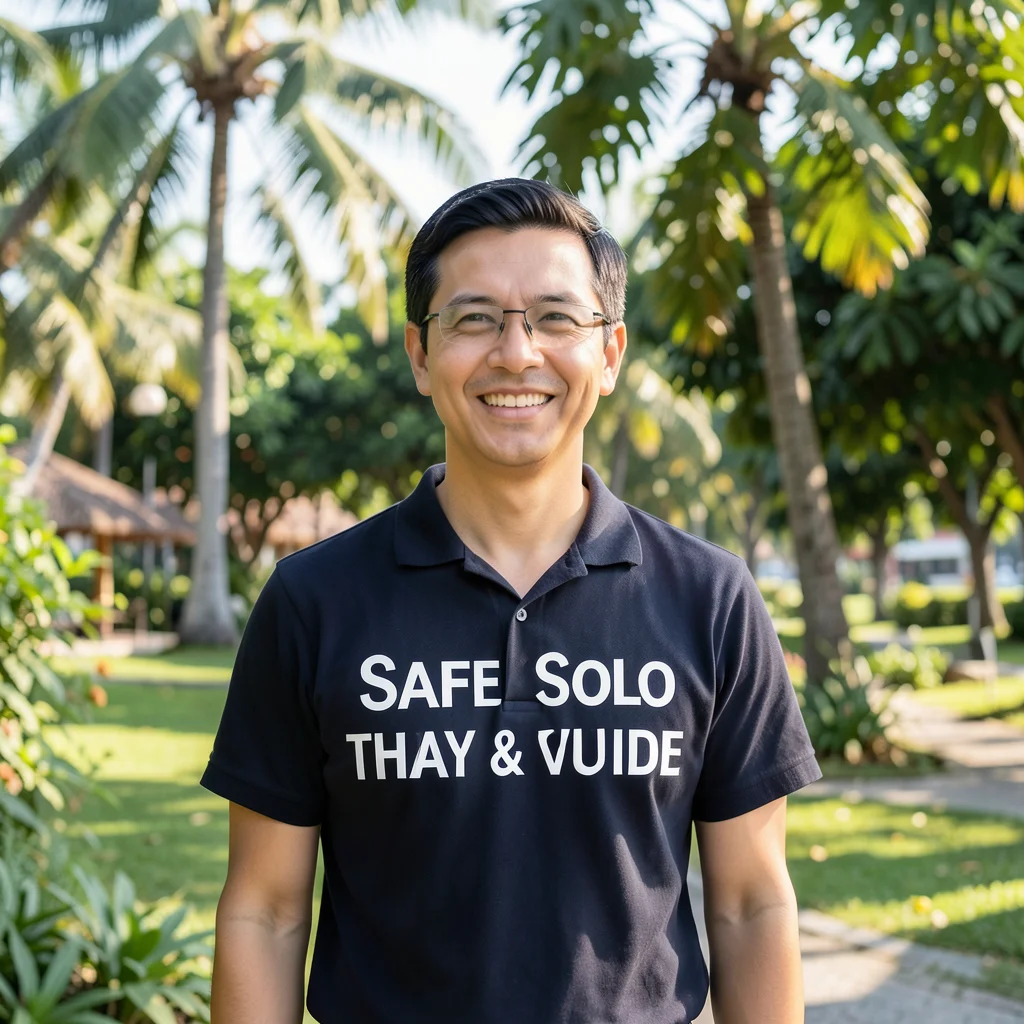
Thailand Entry and Visa Guide: Solo Female Traveler Safety and Stress-Free Trip Planning
- Thailand Entry and Visa Guide: Solo Female Traveler Safety and Stress-Free Trip Planning
Thailand entry and visa guide for solo female travelers: Embarking on a solo adventure to Thailand is an exhilarating prospect, promising vibrant culture, stunning landscapes, and warm hospitality. For solo female travelers, however, a little extra preparation can transform excitement into a truly stress-free experience. This comprehensive Thailand entry and visa guide focuses on equipping you with the essential knowledge for a safe and seamless journey, from understanding visa requirements to implementing practical safety measures.
Navigating international travel can sometimes feel daunting, but with clear information and proactive planning, your trip to the Land of Smiles can be as smooth as possible. This guide aims to demystify the entry process, shed light on visa options, and offer actionable advice to ensure your safety and comfort throughout your travels in Thailand.
Thailand entry and visa guide for solo female travelers: Understanding Thailand’s Entry Requirements
The first step to a stress-free trip is understanding the general entry requirements applicable to most nationalities. While specific rules can change, certain documents are consistently needed.
Passport Validity
Your passport must be valid for at least six months beyond your intended period of stay in Thailand. Ensure there are sufficient blank pages for entry and exit stamps.
Proof of Onward Travel
Immigration officers may request proof that you intend to leave Thailand. This typically means having a confirmed onward or return ticket. While not always checked, it’s a requirement for entry.
Sufficient Funds
You should be able to demonstrate that you have enough money to support yourself during your stay. The amount can vary, but an estimate of 20,000 THB (approximately $550-600 USD) per person is often cited, though this can be flexible.
Thailand Visa Options for Tourists
Thailand offers various visa exemptions and types for tourists, depending on your nationality and length of stay. Understanding these is crucial for planning your itinerary and avoiding overstays.
Visa Exemption Program
Many nationalities are eligible for a visa exemption, allowing them to enter Thailand for tourism purposes for a specific period (usually 30 days) without a visa. This is often granted upon arrival at airports and land borders. The duration can sometimes be extended by an additional 30 days at an immigration office within Thailand.
Visa on Arrival (VOA)
For nationalities not covered by the visa exemption, a Visa on Arrival may be an option. This allows you to obtain a visa at designated immigration checkpoints upon arrival. You’ll need to present required documents and pay a fee. Processing times can vary.
Tourist Visas (Single/Multiple Entry)
If you plan to stay longer than the allowed visa exemption or VOA period, you can apply for a tourist visa at a Thai embassy or consulate in your home country or a neighboring country before your trip. These come in single-entry and multiple-entry options, with different validity periods.
Important Note: Visa regulations can change. Always check the latest information with the Royal Thai Embassy or Consulate in your country or the official Thai Immigration Bureau website before your travel date.
Solo Female Traveler Safety in Thailand
Thailand is generally a safe country for solo female travelers, but like anywhere, it’s wise to be aware and take precautions. Prioritizing your safety will allow you to relax and fully enjoy your experience.
Accommodation Choices
Choose accommodations in well-lit, reputable areas. Read reviews from other solo female travelers to gauge safety and atmosphere. Consider guesthouses or hotels with good security, such as 24-hour reception or key card access. For hostels, opt for female-only dorms if available and you’re comfortable with that.
Transportation Smarts
When using taxis, insist on using the meter. If the driver refuses, find another one. Ride-sharing apps like Grab are widely available and offer a convenient, transparent way to book rides with fare estimates and driver details. For longer distances, reputable bus or train services are generally safe. Be aware of your surroundings on public transport.
Staying Connected
Purchase a local SIM card upon arrival for easy access to data and local calls. This allows you to use navigation apps, communicate with accommodations, and stay connected with loved ones back home. Keep your phone charged and consider a portable power bank.
Personal Safety Tips
Trust your instincts. If a situation feels uncomfortable, remove yourself from it. Be mindful of your belongings, especially in crowded places. Avoid walking alone in poorly lit or deserted areas at night. Inform someone back home of your general itinerary and check in regularly. Be cautious with unsolicited offers of help or invitations from strangers.
Planning Your Stress-Free Itinerary
A well-planned itinerary doesn’t mean a rigid schedule; it means having a framework that allows for spontaneity while ensuring you cover your must-sees and feel secure.
Pre-Trip Checklist
Before you even pack, having a checklist can prevent last-minute panic.
- Passport validity check (6+ months)
- Visa requirements confirmed and applied if necessary
- Onward travel ticket booked
- Travel insurance purchased
- Digital and physical copies of important documents (passport, visa, insurance, bookings)
- Emergency contact information saved
- Basic Thai phrases learned
- Research on your destinations and transport options
Accommodation and Transport Booking
Book your first few nights of accommodation in advance, especially if arriving late. For inter-city travel, booking bus or train tickets a day or two ahead can secure your preferred times. For popular routes or during peak season, booking further in advance is recommended.
Budgeting and Currency
Set a daily budget. Thailand offers options for all budgets, from street food to fine dining. ATMs are widely available, and credit cards are accepted in larger establishments. However, always carry some cash for smaller vendors, markets, and local transport.
Cultural Etiquette and Respect
Familiarize yourself with basic Thai customs. Dress modestly when visiting temples. The head is considered sacred, and the feet are considered lowly, so avoid touching people’s heads or pointing your feet at others. Show respect for the monarchy. Understanding and respecting local culture will enhance your interactions and overall experience.
Common Pitfalls to Avoid
Even with careful planning, some common issues can arise. Being aware of them can help you navigate them smoothly.
| Potential Pitfall | How to Avoid |
|---|---|
| Overstaying Visa Limits | Strictly adhere to your visa dates. If you need more time, extend legally at an immigration office before your visa expires. |
| Scams and Overcharging | Be wary of overly friendly strangers offering unsolicited tours or deals that seem too good to be true. Always confirm prices beforehand. |
| Getting Lost/Transportation Issues | Use reliable navigation apps and reputable transport services. Have your accommodation address written in Thai. |
| Health Concerns (Food/Water) | Drink bottled water. Be cautious with street food if you have a sensitive stomach; choose busy stalls with high turnover. |
| Misunderstanding Cultural Norms | Do your research on local customs and etiquette. When in doubt, observe locals or ask politely. |
Frequently Asked Questions (FAQ)
Here are answers to common questions for solo female travelers planning a trip to Thailand.
Do I need a visa for Thailand if I’m a tourist?
Many nationalities can enter Thailand visa-free for 30 days under the visa exemption program. If your nationality is not on this list, or you plan to stay longer, you will need to obtain a visa in advance or a Visa on Arrival, depending on eligibility.
Is Thailand safe for solo female travelers?
Yes, Thailand is generally considered safe for solo female travelers. While it’s important to exercise common sense precautions as you would anywhere, millions of women travel safely to Thailand each year. Staying aware of your surroundings, trusting your intuition, and using reputable transport are key.
What is the best way to get around Thailand?
For inter-city travel, domestic flights, trains, and government buses are efficient and affordable. Within cities, popular options include metered taxis, ride-sharing apps like Grab, songthaews (shared pick-up trucks), and tuk-tuks (though negotiate fares carefully). For island hopping, ferries and speedboats are common.
How much money do I need per day in Thailand?
Your daily budget can vary greatly depending on your travel style. Budget travelers might spend $30-50 USD per day, mid-range travelers $60-100 USD, and luxury travelers $150+ USD. This includes accommodation, food, local transport, and activities.
Should I get travel insurance for Thailand?
Absolutely. Comprehensive travel insurance is highly recommended for any trip, especially for solo travelers. It covers medical emergencies, trip cancellations, lost luggage, and other unforeseen events, providing crucial peace of mind.
Conclusion
Thailand offers an incredible travel experience for solo female adventurers. By understanding the entry and visa requirements, prioritizing safety with practical measures, and planning your trip thoughtfully, you can ensure your journey is not only memorable but also comfortable and stress-free. Embrace the adventure, stay informed, and get ready to explore the magic of Thailand!
References
Royal Thai Embassy Official Website
