




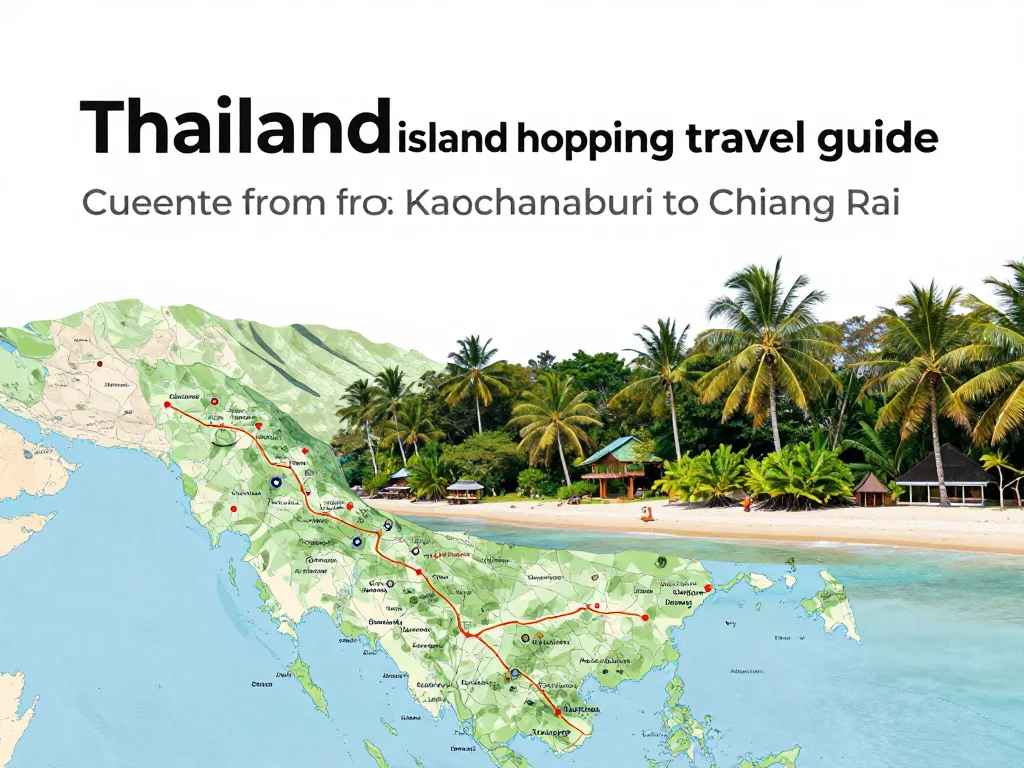
Thailand Island Hopping Guide: Planning a Journey from Kanchanaburi to Chiang Rai
- Thailand Island Hopping Guide: Planning a Journey from Kanchanaburi to Chiang Rai
Embarking on a journey across Thailand is an adventure that blends rich history, lush jungles, and serene river landscapes. While the term Thailand island hopping guide usually evokes images of the Andaman Sea or the Gulf of Thailand, traversing the country from the historical trails of Kanchanaburi to the mountainous serenity of Chiang Rai offers a unique “inland hopping” experience. This guide provides the practical logistics, cultural insights, and route planning necessary to connect these two distinct Thai regions effectively.
Thailand island hopping guide: The Concept of Inland Hopping in Thailand
Most travelers associate island hopping with boats and beaches. However, shifting your perspective to “inland hopping”—moving between major cultural hubs—allows for a deeper understanding of the country. Kanchanaburi, located west of Bangkok, is defined by its somber WWII history and the River Kwai. Chiang Rai, in the far north, is the gateway to the Golden Triangle and Lanna culture. Bridging these two requires careful planning, as they are separated by significant distance.
Route Planning: Kanchanaburi to Chiang Rai
Direct travel between Kanchanaburi and Chiang Rai is not feasible by a single mode of transport. The journey typically necessitates a stopover in Bangkok or a flight from a nearby hub. Understanding the geography is key to a smooth transition.
Option 1: The Express Route (Flight-Focused)
For travelers with limited time, the most efficient method is to return to Bangkok (Don Mueang Airport) from Kanchanaburi via van or train, and then take a domestic flight to Chiang Rai (CEI). This minimizes transit fatigue.
Option 2: The Scenic Route (Overland)
For those who enjoy the road, consider renting a car or taking a bus with stops in Phitsanulok or Sukhothai. This “hopping” approach allows you to see the ancient capitals of Thailand, making the long journey part of the holiday experience rather than just a logistical hurdle.
| Method | Estimated Time | Best For |
|---|---|---|
| Bus/Van + Flight | 6-8 Hours | Time-sensitive travelers |
| Overland (Car/Train) | 12-16 Hours | Slow travelers & sightseers |
| Overnight Train to North | 14+ Hours | Budget & comfort seekers |
Essential Checklist for Your Thailand Journey
- Transport Bookings: Book your domestic flights at least 3 weeks in advance for better rates.
- Accommodation: Use reputable platforms to book stays in both Kanchanaburi and Chiang Rai, as remote areas can have limited availability during peak seasons.
- Connectivity: Ensure you have a local SIM card or an eSim, as navigation apps like Google Maps are essential for overland travel.
- Cash Reserves: While urban areas accept cards, rural transit hubs often operate on a cash-only basis.
Comparing Kanchanaburi and Chiang Rai Experiences
When following a Thailand island hopping guide that pivots to inland travel, it is important to manage expectations. Kanchanaburi offers a slower pace focused on river rafting, waterfall trekking (Erawan), and history. Chiang Rai offers a cooler climate, artsy temple architecture (the White Temple), and mountain vistas. Neither location is a beach destination, but both provide the tranquility often sought after by island hoppers.
Common Pitfalls and How to Avoid Them
Another common mistake is assuming there are direct bus routes between these two provinces. Always plan for a transit stop in Bangkok. Additionally, check the weather patterns; the north (Chiang Rai) can be significantly cooler than the west (Kanchanaburi), so pack layers accordingly.
Conclusion
While a traditional Thailand island hopping guide focuses on sun and sand, applying that same adventurous spirit to the route between Kanchanaburi and Chiang Rai reveals a side of Thailand that many tourists miss. By strategically planning your transit and embracing the journey through the central plains and northern highlands, you create a balanced itinerary that captures the true essence of Thai culture, history, and natural beauty.
Frequently Asked Questions (FAQ)
A: No, there are no direct public transport links. You must route through Bangkok or other major central hubs.
A: The period between November and February offers the best weather for both, as it is cooler and drier, avoiding the intense heat of April and the peak monsoon season.
A: It is not required, but a private car offers the most flexibility for stops between regions. Public buses and trains are reliable but require more careful scheduling.
